An introduction to our professional bird control services
County Bird Control offers professional and humane bird control solutions across Kent, Surrey, East and West Sussex, Essex, and London.
With a strong commitment to quality and ethical practices, we are proud to be Kent Trading Standards Approved and our team is RSPH (Royal Society for Public Health) qualified, ensuring that all our services meet the highest industry standards.
Birds, while often admired, can quickly become a significant nuisance and a costly problem for both domestic and commercial properties.
From corrosive guano damaging building exteriors and vehicles, to blocked gutters and drainage systems caused by nesting materials, the issues can be widespread.
Furthermore, birds and their droppings can carry a variety of diseases, posing serious health risks to occupants and visitors. They can also create excessive noise, leading to disturbances, and undermine the aesthetic appeal of your premises, potentially deterring customers or affecting property value.
At County Bird Control, we understand these challenges intimately. That’s why we specialise in providing comprehensive and tailored bird proofing solutions designed to effectively deter pest birds without causing them harm.
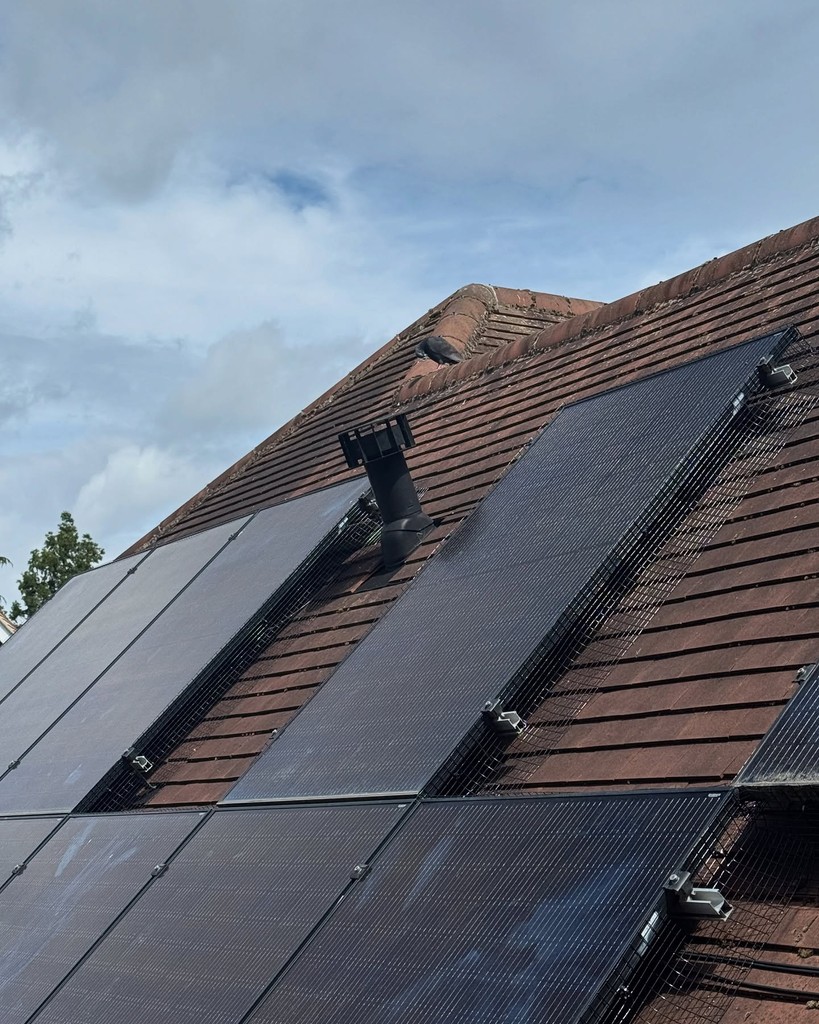
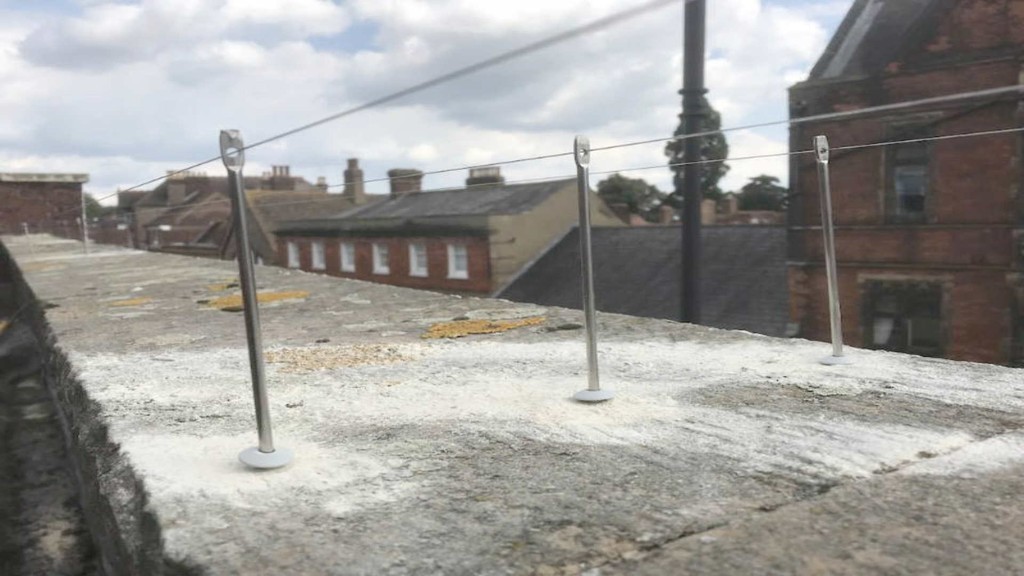
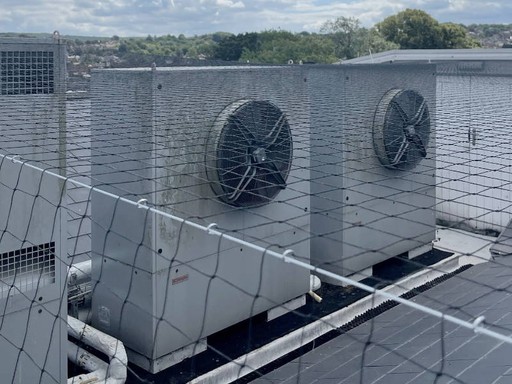
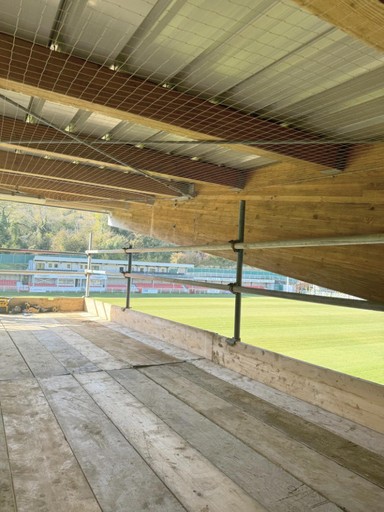
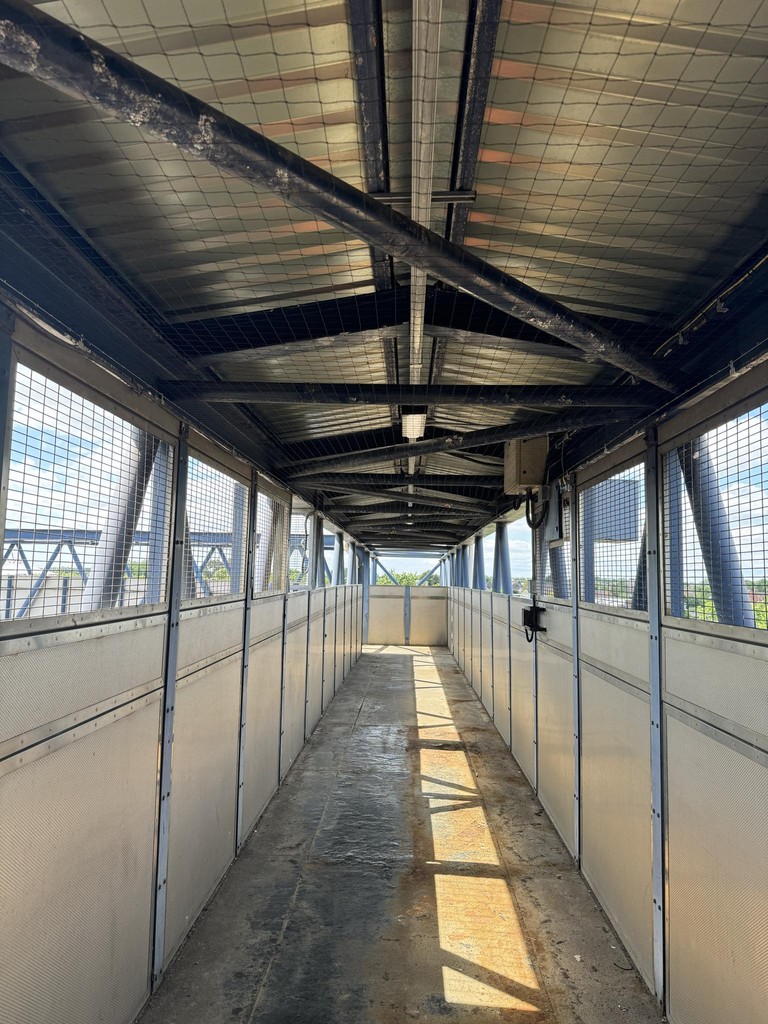
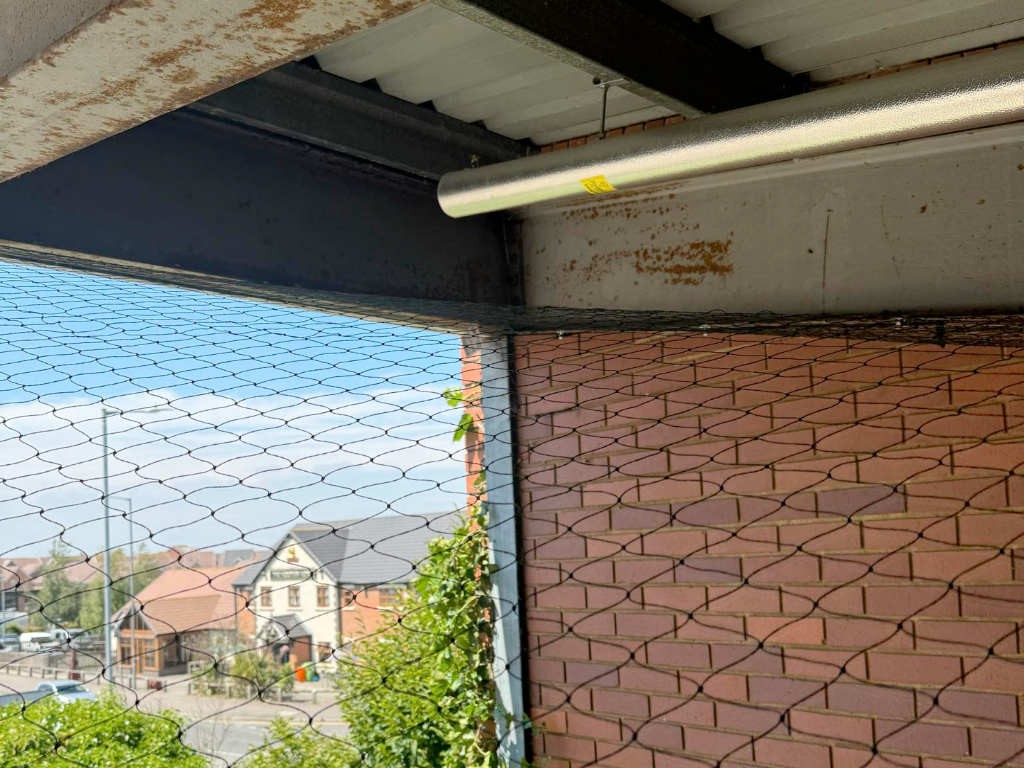
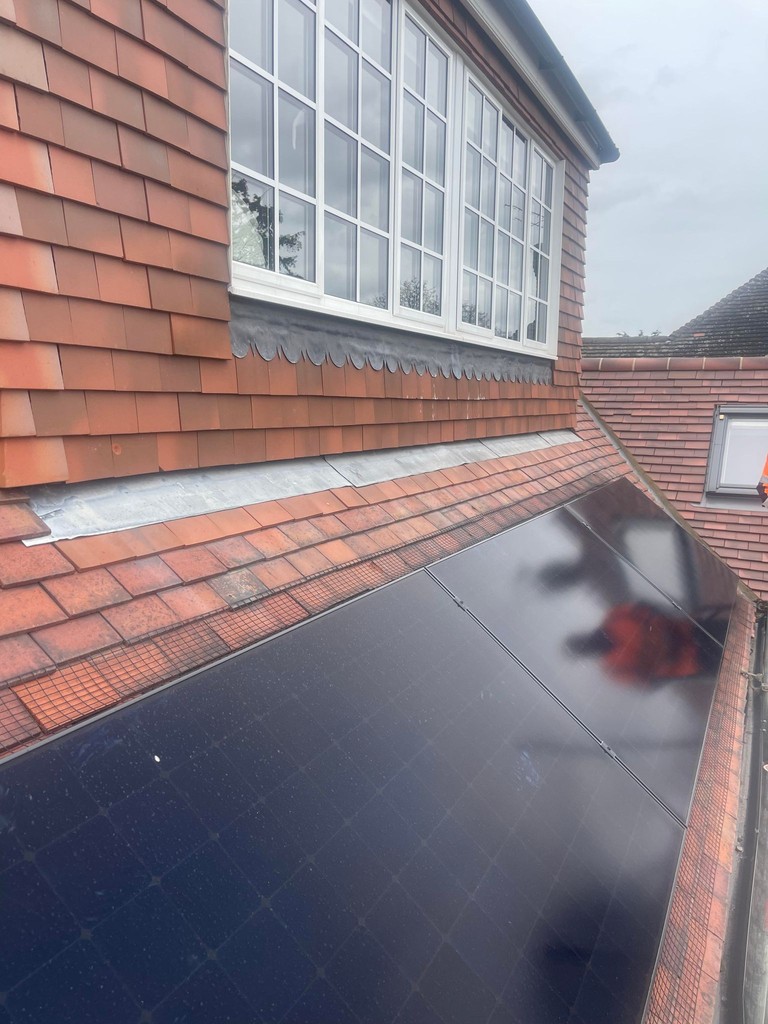
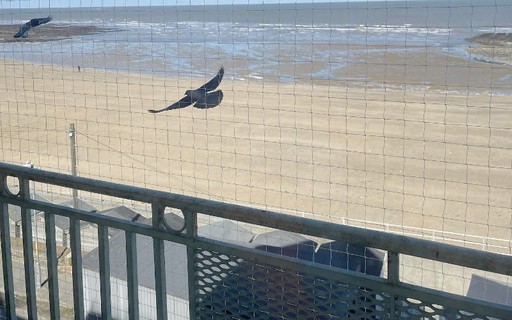
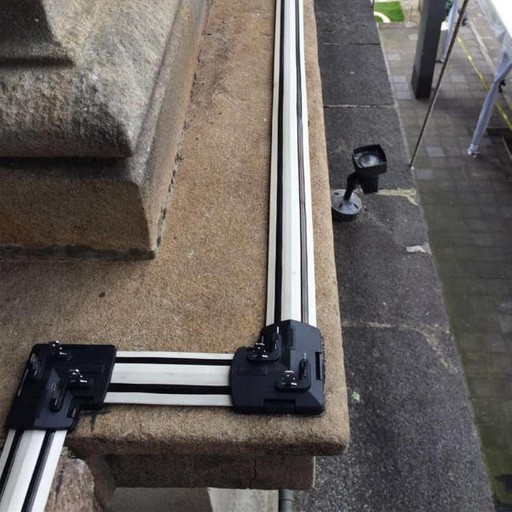
Our expertise covers a wide range of methods, including the installation of discreet bird netting, robust bird spikes, innovative post and wire systems, and specialised solar panel mesh proofing.
We pride ourselves on delivering a professional, efficient, and discreet service from the initial site survey and risk assessment through to the final installation and aftercare.
Whether you're a homeowner struggling with pigeons on your roof or a business facing a serious seagull problem, County Bird Control has the proven experience to provide a lasting, effective solution. Protect your investment, ensure public health, and restore peace of mind with our expert bird control services.
What is bird control and why is it important for properties?
Bird control refers to the management and deterrence of birds that are considered pests. It's crucial for properties to prevent costly damage caused by acidic bird droppings (which can erode building materials like brickwork, metal, and paintwork), reduce health risks from diseases carried by birds (such as salmonella, E. coli, and ornithosis), preserve the aesthetics of a property, and avoid business disruption. Bird nesting debris can also block gutters and downpipes, leading to damp issues.
Are bird control methods humane and legal in the UK?
Yes, reputable bird control methods are designed to be humane and are legal in the UK. They must be carried out in accordance with the Wildlife and Countryside Act 1981. It's important to note that it's illegal to disturb nesting birds once they've laid eggs unless a licensed professional is involved.
What are the most common types of birds that cause problems in the UK?
The most common pest birds in the UK that cause issues for properties include pigeons (feral pigeons), seagulls (especially Herring Gulls and Lesser Black-backed Gulls), starlings, and house sparrows. Jackdaws and crows can also be problematic.
What are some of the most effective bird proofing methods available?
Highly effective bird proofing methods include:
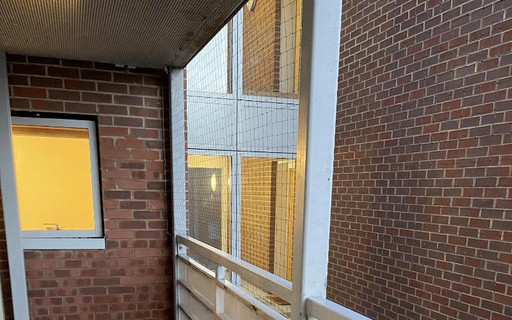
* Bird Netting: Ideal for large open spaces, balconies, and canopies, providing a physical barrier that prevents birds from accessing an area.
* Bird Spikes: Discreet, cost-effective, and suitable for ledges, signage, gutters, and ridge tiles, preventing birds from landing and roosting without causing them harm.
* Post and Wire Systems: A low-profile deterrent using spring-tensioned wires that make it difficult for birds to perch on parapets, roof ridges, and ledges.
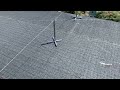
* Solar Panel Mesh Proofing: Specially designed mesh guards that prevent birds from nesting underneath solar panels.
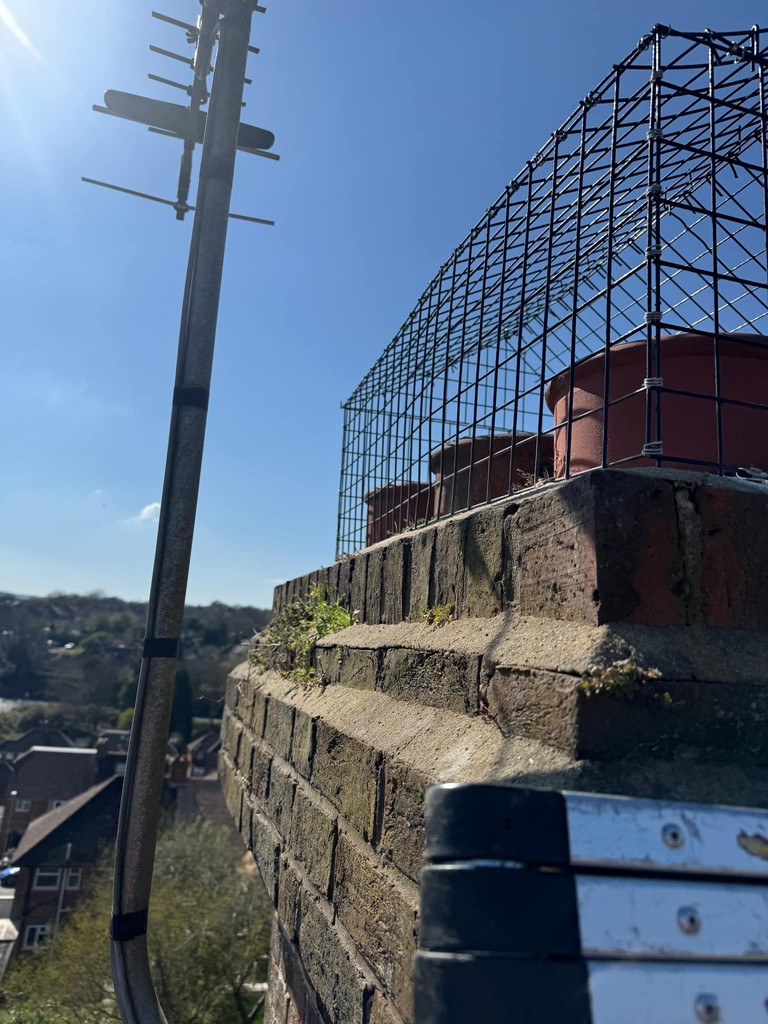
* Chimney Guards and Roofline Protection: Such as mesh guards for chimney pots and eaves protection to stop birds like sparrows from entering under rooflines.
What kind of damage can birds cause to a property?
Birds can cause significant damage. Their droppings are highly acidic and can corrode and stain building materials. Nests can block gutters and drains, leading to water damage and damp issues. Birds can also cause structural damage through nesting and pecking, and in some cases, aggressive seagulls can peck at pipe lagging and roof felt edges.
What health risks are associated with bird droppings (guano)?
Bird droppings can carry various diseases such as salmonella, E. coli, and ornithosis. Inhaling dust or water droplets containing contaminated bird droppings can also lead to respiratory problems like psittacosis. It's strongly advised to have professionals with proper PPE handle bird waste cleanup.
When is the best time of year to install bird proofing?
The ideal time to install bird proofing is before nesting season, which typically begins in early spring. Installing proofing during winter or late autumn helps avoid disturbing active nests and ensures compliance with relevant wildlife laws.
Can I install bird spikes or netting myself?
While some DIY methods might offer temporary relief, professional bird control services are recommended for long-lasting and effective solutions. Experts assess the property, use targeted techniques, and ensure proper installation to prevent future infestations. DIY installations can sometimes lead to additional damage or be ineffective.
Do bird control services offer long-term solutions and maintenance?
es, professional bird control companies like County Bird Control offer long-term solutions. This can include regular maintenance and monitoring services, site surveys, risk assessments, and customised deterrent systems to ensure continued effectiveness year-round.
How can I tell if I have a bird problem on my property?
Signs of a bird problem include frequent sightings of large numbers of birds, excessive bird droppings around your property, visible nests or nesting debris, constant bird noises (especially cooing or chirping), blocked pipes or gutters, and evidence of structural damage to your roof or other parts of the building.